






How teamwork, communication, and a commitment to service helped our guests navigate an extraordinary weekend of travel disruptions.
Saturday morning in Barcelona should have been a fairly straightforward day for our Destinations team.
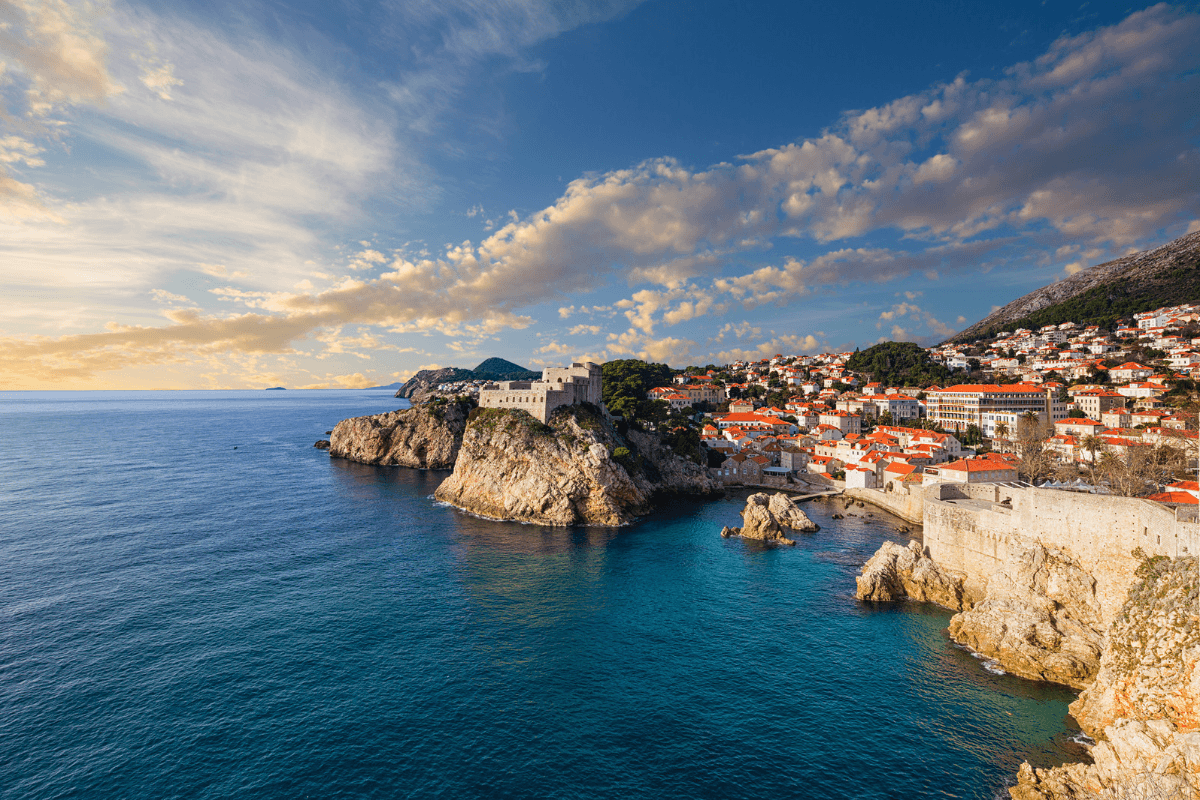
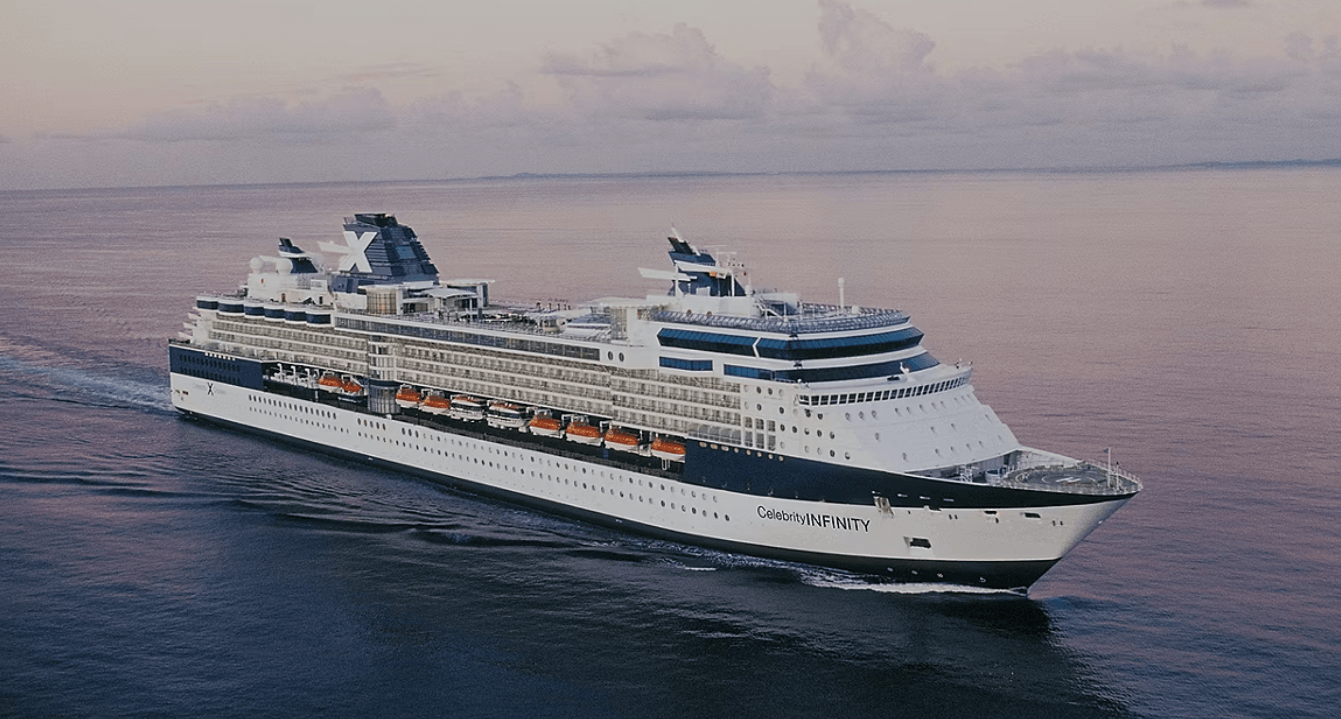
After an incredible Mediterranean incentive trip, approximately 1,200 guests were preparing to disembark their cruise ship and begin their journeys home. Our team had spent months planning the experience, and we were approaching the finish line.
Then, just hours before disembarkation, the aviation industry was thrown into chaos.
On Friday afternoon, November 13, the Federal Aviation Administration issued a nationwide ground stop across the United States. For nearly five hours, departing aircraft were grounded, thousands of flights were canceled, and the ripple effects spread throughout the global aviation network.
Although the ground stop was lifted Friday evening, the disruption was far from over. Aircraft were out of position, flight crews were displaced, and travelers around the world were facing canceled flights and missed connections.
And we had 1,200 people getting off a ship in Barcelona the next morning.
This was going to be one of those moments when the real value of having an experienced travel team would become very clear.
When the unexpected becomes your responsibility
Anyone who works in travel knows that even the most carefully planned trip can encounter unexpected challenges.
Weather, mechanical issues, missed connections, and airline schedule changes are part of the business. We’ve dealt with our fair share over the years.
But this was different.
The scope of the disruption was enormous, and the timing couldn’t have been much worse for our group.
By the time we worked through the impact on our travelers, our team had handled more than 600 flights requiring some form of intervention.
Some guests needed to be rebooked. Others faced significant delays or connections they could no longer make. Still others needed accommodations while waiting for their new flights.
And just when it seemed we were making progress, another round of airline changes would create a whole new set of challenges.
We couldn’t stop the cancellations or hold back the tide of delays.
But we could control how we responded.
Great teamwork doesn’t happen by accident
One of the things I appreciate most about our team at Destinations is how people respond when things get difficult.
There’s no shortage of work on a normal travel day. Add a major aviation disruption, and suddenly everyone has more on their plate than they expected.
Our specialized Air Desk agents jumped into action, working extended hours to identify options, secure new flights, and help travelers navigate constantly changing airline schedules.
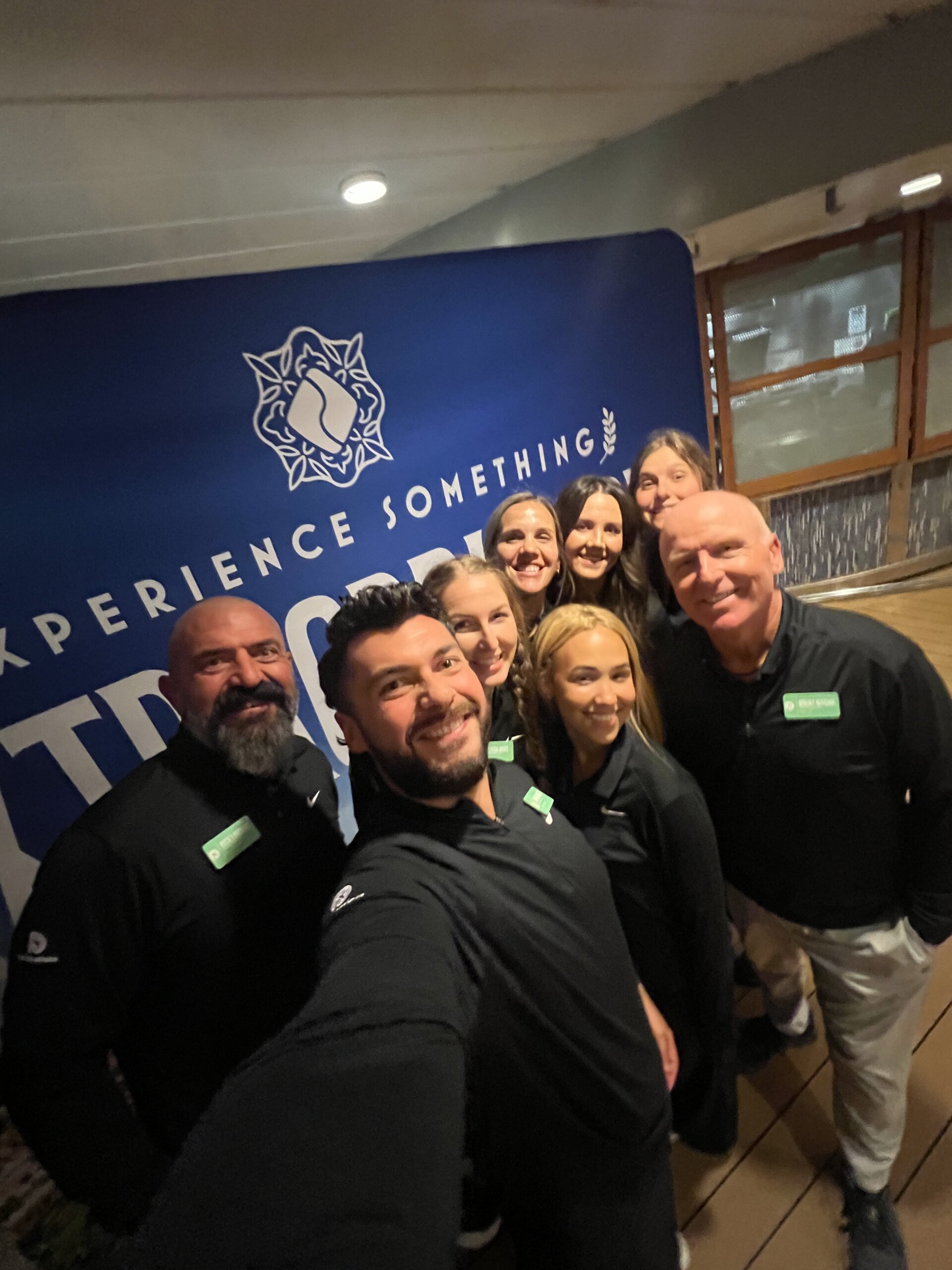
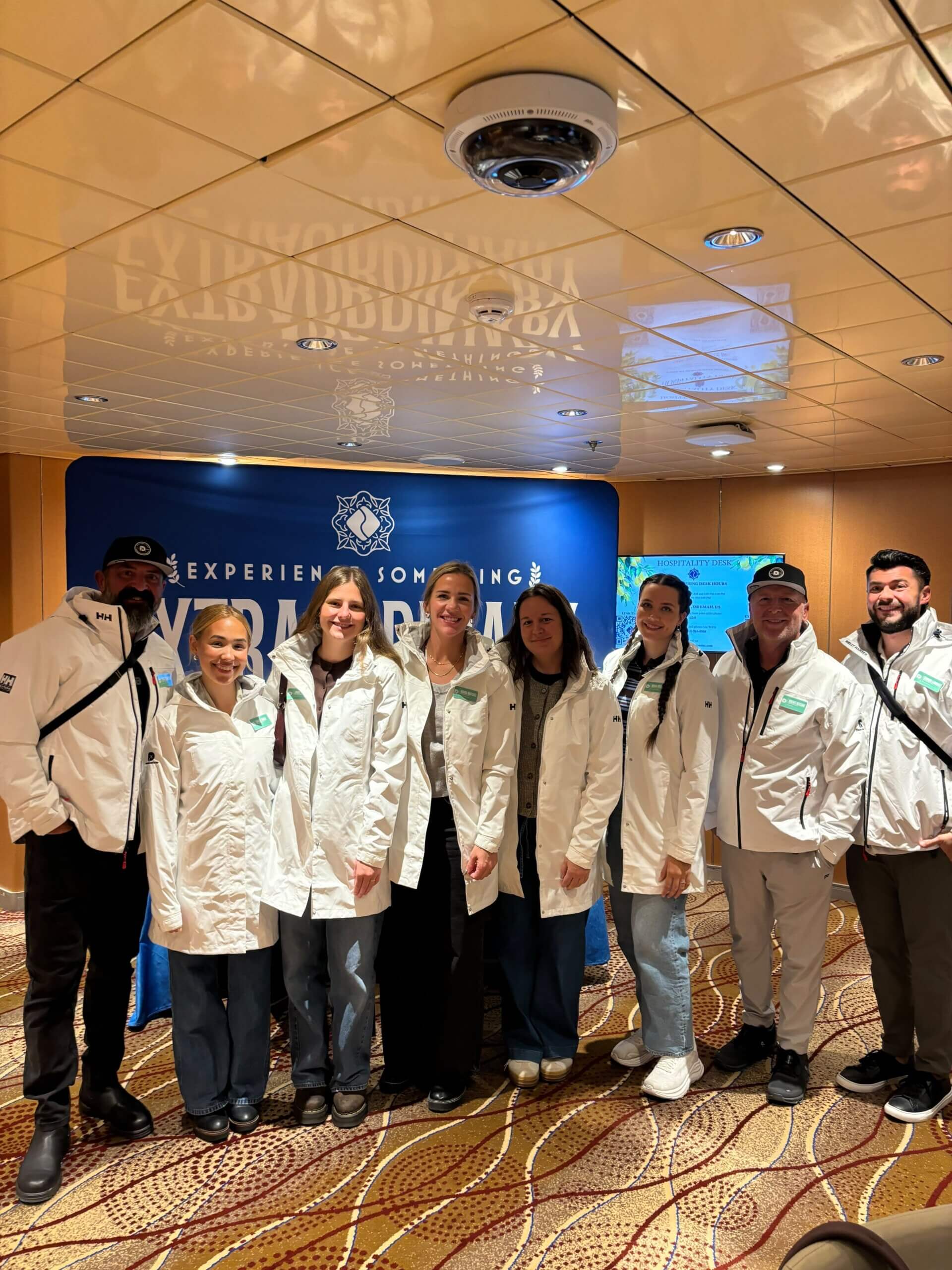
Our on-site hosting team helped coordinate information, answer questions, and keep communication flowing between guests, our client, and our Air Desk.
People stepped up wherever they were needed.
And when new cancellations appeared, or a rebooking fell apart, the team simply went back to work finding another solution.
There wasn’t much time to dwell on how frustrating the situation was.
There were people who needed our help, and that became the focus.
Communication is part of taking care of people
I’ve learned over the years that when travel plans go sideways, uncertainty can be just as frustrating as the disruption itself.
Imagine finishing a wonderful incentive trip, only to discover that your flight home has been canceled. You may be in a foreign country, unsure when you’ll leave, whether you’ll make your connecting flight, or where you’ll spend the night.
It’s stressful.
And while we can’t always give someone the answer they want, we can keep them informed, explain what we’re working on, and help them understand their options.
That requires good communication within our own team, too.
Our Air Desk needed accurate information about affected travelers. Our hosts needed to know which arrangements had changed. And our client’s leadership team needed confidence that their people were being looked after.
That coordination was every bit as important as the flight rebookings themselves.
The more effectively we shared information, the better we could care for the people depending on us.
Choosing to see problems as opportunities to serve
There’s a mindset I’ve always admired in great hospitality professionals.
When something goes wrong, they don’t see the person standing in front of them as another problem to deal with.
They see someone they have an opportunity to help.
It’s an important distinction.
A canceled flight can be frustrating for the traveler and the person trying to fix it. After hours of dealing with the same challenges, it would be easy to view another phone call or another itinerary change as one more nuisance.
But that traveler isn’t thinking about the hundreds of other flight problems our team is handling.
They’re thinking about getting home to their family.
And in that moment, they deserve our attention.
I saw that attitude demonstrated repeatedly by our team throughout the weekend.
There were certainly frustrations, long hours, and situations we couldn’t resolve as quickly as we wanted. But the team kept looking for answers.
Sometimes that meant finding another flight. Sometimes it meant helping arrange a place to stay until travel could resume.
And sometimes it simply meant being available, listening, and reassuring someone that they hadn’t been forgotten.
Not every problem has an immediate solution. But every person deserves to feel confident that someone capable is working on their behalf.
The real test of a travel partner
Ultimately, we were able to help every affected guest either make it home or receive accommodations while waiting to continue their journey.
That doesn’t mean everything went perfectly.
It didn’t.
There were delays we couldn’t prevent, cancellations we couldn’t reverse, and plenty of circumstances outside our control.
But what I came away appreciating most wasn’t just the number of flights our team managed.
It was the way everyone worked together to take care of people.
For companies investing in incentive travel, I think that’s an important consideration.
It’s easy to evaluate a travel partner based on the destinations they recommend, the hotels they source, or the experiences they create.
And those things absolutely matter.
But I would argue that one of the most important questions to ask is this:
What happens when things don’t go according to plan?
Who answers the phone? Who knows your travelers? Who has the experience and relationships to find solutions? And perhaps most importantly, who genuinely cares enough to keep working until your people are taken care of?
Those are the moments when a travel partner proves its value.
The storm will eventually pass. What matters is how you weather it.
I couldn’t be more appreciative of our Destinations team and the way they responded to this extraordinary weekend.
Our Air Desk specialists, on-site hosts, and everyone supporting the operation demonstrated something we’ve always believed: great hospitality is about much more than executing a well-planned itinerary.
It’s about people looking after people.
The best teams aren’t the ones that never encounter problems. They’re the ones that communicate, work together, and remain focused on serving others when challenges arise.
And sometimes, the experiences that tell you the most about a team aren’t the beautiful destinations, memorable excursions, or incredible celebrations.
They’re the moments when the unexpected happens and everyone rolls up their sleeves to help.
That’s the kind of team I’m proud to be part of. And that’s the kind of team we want our clients to have in their corner.
At Destinations, we create incentive travel experiences that recognize achievement and bring people together. Behind every great trip is an experienced team committed to handling the details, including the unexpected, so you can focus on your people.